EN
EN  PT
PT With the arrival of autumn, the days grow shorter, temperatures begin to fall and the environment undergoes changes that can affect eye health. Although it is a transitional season, many people notice an increase in visual discomfort without linking these symptoms to the change of season.
Understanding the impact of vision in autumn is key to preventing eye problems and ensuring greater comfort in everyday life.
Why can autumn affect your eyesight?
During autumn, there is a gradual reduction in the hours of natural light, accompanied by an increase in the use of artificial lighting and the amount of time spent indoors. These changes force the eyes to work harder to adapt, which can lead to eye strain, particularly for those who spend many hours at a computer or use digital devices on a daily basis.
Furthermore, falling temperatures and lower humidity can contribute to the onset of symptoms such as dry eyes, irritation and a feeling of discomfort.
Common vision problems in autumn
The changes typical of this season can manifest themselves in various ways. Among the most common symptoms are:
- A feeling of dry or irritated eyes;
- Temporary blurred vision;
- Excessive tearing;
- Increased sensitivity to light;
- Eye strain at the end of the day;
- Headaches associated with visual strain.
Although these symptoms may seem minor, if they persist they should be assessed by an eye care professional.
The impact of indoor environments
With the return of cooler temperatures, it is natural to spend more time at home or at work, where heating and air conditioning reduce the humidity in the air.
This situation encourages the tear film to evaporate, increasing the risk of dry eye and impairing vision in the autumn. Contact lens wearers may experience even greater discomfort at this time of year.
Staying well hydrated, taking breaks whilst working and ensuring spaces are properly ventilated are simple measures that help to minimise these effects.
The importance of good lighting
As it gets dark earlier, the need for artificial lighting increases. Insufficient or excessively bright lighting can put extra strain on the eyes.
To protect your eyesight in autumn, try to work or study in well-lit areas, avoiding glare on screens and adjusting the brightness of your devices to suit the lighting conditions in the room.
It is also advisable to follow the 20-20-20 rule: for every 20 minutes spent looking at a screen, look away for 20 seconds at a point about 20 metres away.
Have an eye test as the season changes
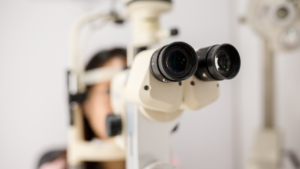
The change of season is a good opportunity to have your eyes tested and check whether your spectacle prescription is still suitable for your needs.
One optometry consultation It enables you to identify changes in your vision, spot signs of eye strain and recommend personalised solutions to improve visual comfort during the autumn.
If you wear glasses every day, this may also be a good time to check the condition of your lenses and make sure they are still providing you with clear, comfortable vision.
Small gestures that make a difference
Adopting a few simple habits can help protect your eyesight in autumn:
- Blink frequently, especially when using screens;
- Make sure you stay well hydrated throughout the day;
- Avoid directing the hot air from heaters towards your face;
- Wear glasses that are suitable for your eyesight;
- Have regular eye tests.
These measures help to reduce eye discomfort and maintain eye health throughout the season.
Get ready for the new season
Autumn brings new routines and different challenges for eye health. Being aware of the changes caused by the weather and daily habits is the best way to prevent visual discomfort and maintain a good quality of life.
No Centro Óptico Ibérico, you’ll find a team ready to look after your eye health all year round. A timely eye test can make all the difference in ensuring you enjoy the autumn with more comfortable, protected and healthy vision.